
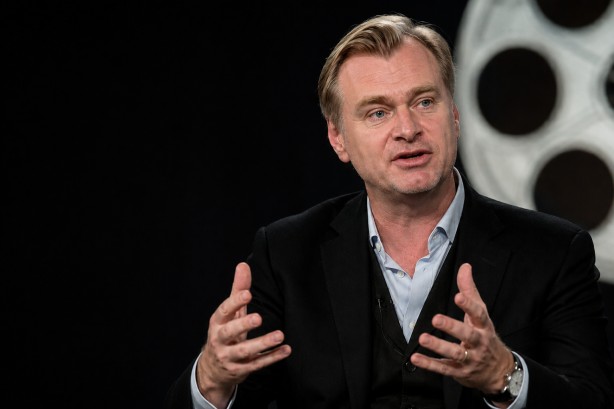
Christopher Nolan has chosen to use modern English for the dialogue in his adaptation of The Odyssey, a decision he defends as a means to connect with today’s audiences on an emotional level. This choice has stirred discussion, particularly after the release of the film’s trailer, which features characters speaking in everyday language despite being set in ancient Greece. Nolan has addressed the criticism by stating that the use of contemporary language was a deliberate choice aimed at enhancing the emotional resonance of the story, admitting that although it might be contentious, it was ultimately an obvious decision for him.
In this ambitious rendition of The Odyssey, Nolan explores the legendary journey of Odysseus as he makes his way home following the Trojan War. The film stars Matt Damon in the role of Odysseus, with Anne Hathaway portraying Penelope, Tom Holland as Telemachus, and Robert Pattinson taking on the role of Antinous. The adaptation promises to bring a fresh perspective to the ancient epic, making it more relatable to modern viewers.
Joining the core cast is a remarkable ensemble that includes Zendaya, Charlize Theron, and Lupita Nyong’o, contributing to what is arguably Nolan’s most extensive production effort to date. The film’s scope and scale underscore Nolan’s commitment to bringing the classic story to life with a contemporary twist, blending a timeless narrative with a modern sensibility.
The anticipated release of this cinematic epic is set for July 16 in Indian theaters, with a broader international rollout to follow. As audiences prepare for this unique interpretation, discussions around the creative liberties taken with the dialogue continue to highlight the delicate balance between historical fidelity and narrative accessibility in film adaptations.