
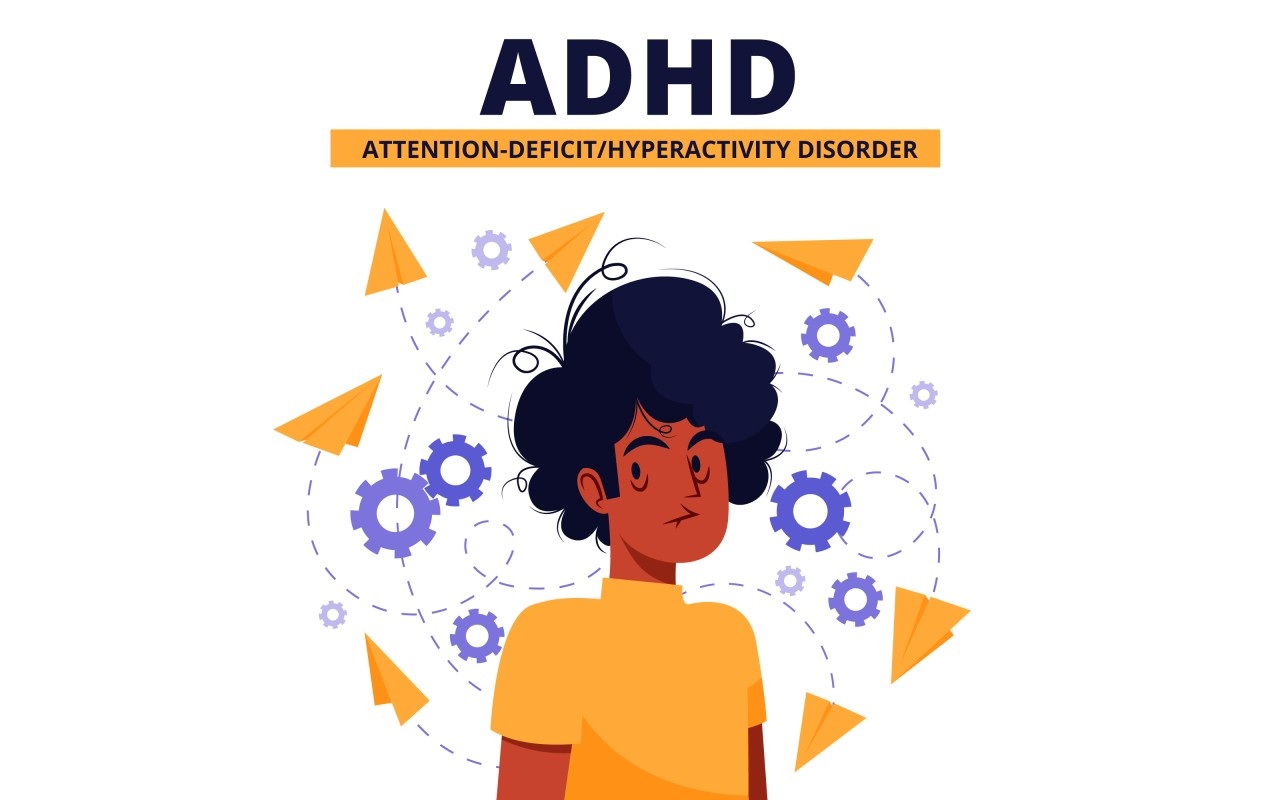
The Swedish government is launching a comprehensive national inquiry aimed at understanding the sharp increase in ADHD and autism diagnoses among children and young people. This initiative seeks to explore the underlying factors contributing to this rise and to develop strategies for enhancing the support available to those affected and their families. The inquiry will span various sectors, including education, healthcare, and employment, to ensure a holistic approach to supporting individuals with neurodevelopmental conditions.
Jakob Forssmed, the Minister for Social Affairs, emphasized the importance of this initiative, noting that the primary objective is to enable children and young people with such conditions to achieve their full potential and actively participate in society. As the number of diagnoses continues to grow, there is increasing pressure on child and adolescent psychiatric services. This inquiry aims to address these challenges by gaining a deeper understanding of the trends and improving the long-term support systems available to these individuals.
Leading this inquiry is Mathias Wahlsten, who serves as the Director General of the Swedish Unemployment Insurance Inspectorate. His expertise is expected to guide the investigation in identifying key areas where support systems can be strengthened. By examining various aspects of life, from schooling to leisure activities and the transition into the workforce, the delegation hopes to offer comprehensive recommendations for improvement.
The growing prevalence of ADHD and autism diagnoses has prompted the Swedish government to take action, recognizing the significant impact on psychiatric services for young people. The delegation is tasked with not only understanding the causes behind this increase but also ensuring that robust support mechanisms are in place to handle the demands. The results of this inquiry are anticipated to play a crucial role in shaping future policies and practices in Sweden.
The delegation’s findings and recommendations are slated for presentation by December 1, 2027. This timeline underscores the government’s commitment to addressing this pressing issue and underscores the importance of developing sustainable and effective support systems for children and young people with neurodevelopmental conditions.