
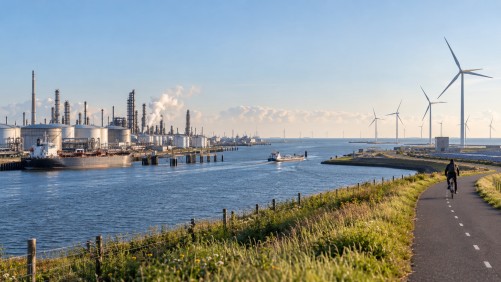
As global attention intensifies on the pressing need for sustainable energy solutions, the Netherlands has taken a significant step by unveiling its national roadmap for reducing dependence on fossil fuels. The roadmap, released ahead of the upcoming UN Climate Change Conference in Turkey, outlines the country’s strategy to transition away from oil, gas, and coal, marking the Netherlands as the second nation after France to provide such detailed plans.
Central to the Dutch strategy is the commitment to cease the use of coal-fired power plants for electricity generation by 2030. However, the roadmap also reveals a scaling back of several earlier climate targets. Notably, the Netherlands will reduce its planned offshore wind capacity and has abandoned its goal of achieving a carbon-free electricity network by 2035. Furthermore, the country is unlikely to meet the European Union’s target of cutting emissions by 90% by 2040.
While the roadmap has been applauded by climate experts as a pivotal step in crafting a long-term energy transition plan, it has drawn criticism from environmental groups for lacking a definitive deadline to completely phase out fossil fuels. The absence of such a deadline contrasts with France’s roadmap, which sets specific timelines to end coal use by 2030, oil by 2045, and gas by 2050.
The Dutch government emphasizes that the roadmap underscores its proactive role in global efforts to combat climate change. By setting a clear trajectory, the Netherlands aims to influence international discourse on energy transition and sustainability, even as it grapples with adjusting its ambitious targets to more realistic timelines.