
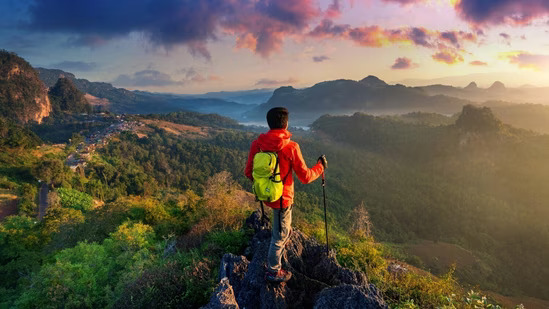
Embarking on a solo travel journey offers a unique opportunity to explore new destinations entirely on your own terms. It allows for personal discovery and the freedom to make spontaneous decisions without the need to compromise with travel companions. However, without careful planning, the myriad of choices can become overwhelming, leading to confusion and stress. Crafting a well-thought-out itinerary can help you navigate your adventures smoothly while ensuring you remain open to unexpected encounters along the way.
To set the stage for a successful solo trip, it’s crucial to start with a clear budget and travel goal. Before narrowing down on specific destinations or activities, determine your overall spending limit. Break down your budget into different categories such as transportation, lodging, meals, local travel, activities, shopping, and emergency funds. Equally important is defining the kind of experience you seek—be it a serene retreat, a deep dive into cultural heritage, a culinary expedition, or an adrenaline-filled adventure. Having a clear objective will streamline your planning process.
Thorough research of your chosen destination is a cornerstone of solo travel success. Delve into the best times to visit, available local transport options, and the character of various neighborhoods, including climate and nearby points of interest. Opt for accommodations that are not only safe but also conveniently located near transport links, dining establishments, and essential services. Being aware of the locations of pharmacies, hospitals, and emergency facilities can provide additional peace of mind.
When planning your itinerary, consider organizing your days based on geographical proximity. This approach avoids the inefficiency of crisscrossing a city in a single day and allows for a more relaxed exploration. Cluster activities such as visiting nearby attractions, cafes, markets, and cultural sites to minimize travel time and maximize enjoyment. Despite the importance of a structured plan, maintaining flexibility is vital. Aim to schedule one primary activity per day, alongside a secondary and an optional plan. This leaves room for rest, unforeseen delays, or spontaneous discoveries that often become the highlights of a trip.
Safety should remain a top priority when preparing your travel plans. Share your itinerary, accommodation details, and daily agenda with a trusted individual. Keep copies of essential documents like identification and travel bookings. Staying informed about local guidelines, weather forecasts, and safety advisories before and during your trip will contribute to a worry-free experience. Ultimately, solo travel can be immensely gratifying when the freedom it offers is complemented by strategic preparation, allowing you to explore with confidence and relish the independence that comes with traveling alone.