
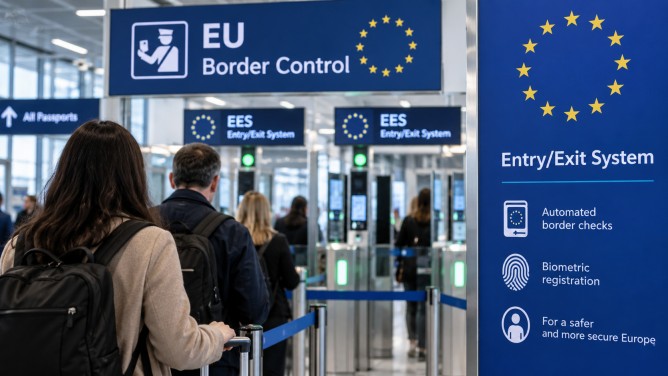
The European Union’s ambitious plan to implement a biometric-based Entry/Exit System (EES) across its Schengen area has faced a series of setbacks, as several member states struggle with technical and operational challenges. Launched in October of last year, the system aims to streamline border checks by recording the fingerprints and facial images of non-EU travelers entering the region. However, its full rollout has been delayed in nine countries, including France, Greece, Italy, and Portugal.
The delays come as authorities in these countries seek additional time to adequately prepare busy airports and other border crossings for the new system. Germany, Malta, the Netherlands, Switzerland, and Belgium have also requested extensions to address similar issues. While Spain has successfully navigated initial hurdles and fully implemented the EES, others continue to grapple with infrastructure and capacity limitations.
Despite the staggered implementation, the system has already recorded approximately 200 million registrations and has prevented around 70,000 individuals from entering the Schengen area. These include travelers lacking necessary visas, those who have overstayed their permitted duration, and some using forged identity documents. The uneven adoption of biometric checks is evident, with locations like the Eurostar terminals in Brussels and Antwerp port already operational, while several airports are still in preparatory phases.
Major international airports such as Frankfurt and Schiphol have begun integrating the biometric system, but smaller airports continue to face hurdles. This discrepancy has raised concerns among industry groups. The International Air Transport Association has previously warned about potential delays caused by the system, and airlines fear that long queues could disrupt travel during peak periods.
To complement the EES, a pre-travel application called Travel to Europe is being introduced. This application allows travelers to submit passport details and facial images before reaching the border, aiming to expedite the entry process. Currently operational in Sweden and Portugal, the application is slated for expansion to additional countries in the coming months.