
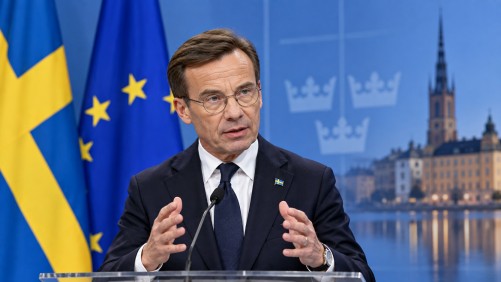
In a significant shift within Sweden’s political landscape, the centre-left opposition has emerged victorious in the general election, marking a potential change in governance for the Nordic nation. The left-leaning coalition secured a narrow majority with 176 seats, surpassing the right-leaning bloc that previously upheld Prime Minister Ulf Kristersson’s administration.
Following the election results, Kristersson resigned from his role, opening the door for Social Democrats leader Magdalena Andersson to spearhead the formation of a new government. Andersson, who has been tasked with navigating complex political discussions, aims to align with several opposition parties to establish a stable coalition.
Andersson has identified critical areas such as climate policy, education, healthcare, elderly care, and immigration as focal points for her potential administration. To achieve this, she has initiated talks with the Left, Centre, and Green parties, although differences in taxation, immigration policies, and climate strategies may pose challenges in reaching consensus.
The Sweden Democrats, who previously supported Kristersson’s government, experienced a decline in support, leading them to fall from the second-largest to the third-largest party in the country. This shift underscores the evolving political dynamics within Sweden, a nation accustomed to minority governments utilizing cross-party agreements to govern effectively.
As the parliamentary speaker begins the formal process of establishing a new government, Andersson’s ability to secure broad support will be crucial in ensuring a sustainable governing framework. Her efforts will focus on balancing the diverse priorities of potential coalition partners while addressing the electorate’s call for a new direction in Swedish politics.