
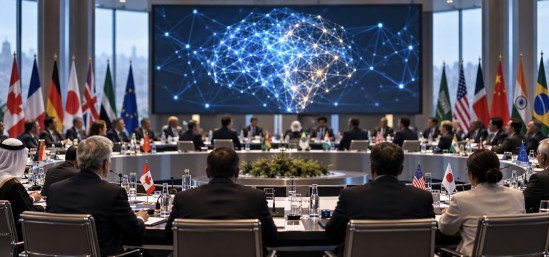
As the capabilities of artificial intelligence systems continue to advance, global leaders are expressing concern over the potential risks associated with these powerful technologies. In response to these growing anxieties, more than 20 political leaders from around the world have come together to advocate for stronger international oversight of advanced AI systems.
The initiative, titled “A Call for Control of Frontier AI Models,” was spearheaded by Finnish President Alexander Stubb and Norwegian Prime Minister Jonas Gahr Støre. The statement has garnered support from 22 leaders across 20 countries, as well as the European Commission, highlighting a collective push for mandatory safety testing, independent evaluations, and the establishment of common global standards for AI.
The statement urges AI companies to implement transparent safety protocols and conduct thorough testing before deploying advanced AI models. Furthermore, it calls for independent evaluators to be granted sufficient access to assess potential risks, ensuring that AI systems do not bypass safeguards or exploit vulnerabilities.
Leaders are also appealing to governments and regional organizations to coordinate their efforts in setting common AI safety standards, enhancing transparency, and creating mechanisms for sharing information regarding serious AI-related safety incidents. The proposal emphasizes the importance of providing access to scientific expertise and reliable evaluation capabilities across different regions.
A significant aspect of the proposal is the suggestion for United Nations member states to explore the creation of an international institution. This body would focus on establishing AI safety standards, supporting verification processes, and facilitating collaboration among governments when AI systems reach certain capability thresholds.
Although the declaration marks a proactive step towards AI regulation, it does not constitute a binding international law, nor does it propose the formation of a new UN body or a mandatory global testing system. The statement remains open for additional endorsements from other countries, as discussions continue on how best to manage the rapid development of AI technologies.