
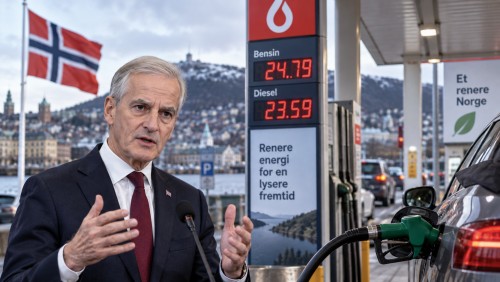
As global oil prices soar, Norway finds itself embroiled in a heated debate over fuel tax relief, with significant implications for both households and businesses. The sharp increase in petrol and diesel costs has reignited political tensions, prompting calls for government intervention.
The administration of Prime Minister Jonas Gahr Støre is under mounting pressure to reinstate a fuel tax reduction after the previous temporary relief measures expired on September 1. The Center Party has announced plans to propose the reintroduction of these tax cuts when the Norwegian Parliament reconvenes in October. Such a move could drive down fuel prices by approximately NOK 4.50 per litre, providing much-needed relief to consumers.
Support for this initiative is growing, with backing from both the Progress Party and the Christian Democrats. The Progress Party, in particular, has been vocal about the need for immediate action, urging the Conservative Party to join the push for tax cuts. Party leader Sylvi Listhaug has highlighted the detrimental impact of high fuel costs on industries reliant on transportation and construction, where fuel expenses are substantial.
Within the Conservative Party, internal pressure is also building, with over 60 local chapters reportedly advocating for lower fuel taxes. This demand is most pronounced in areas with limited public transportation options, where residents rely heavily on personal vehicles for daily commutes.
Despite Norway’s status as a leading oil producer and its progressive adoption of electric vehicles, a significant portion of the population and various industries remain dependent on fossil fuels. The escalating fuel prices have even driven some Norwegians to cross into neighboring Sweden, where fuel costs are often lower, further highlighting the financial strain on Norwegian consumers.