
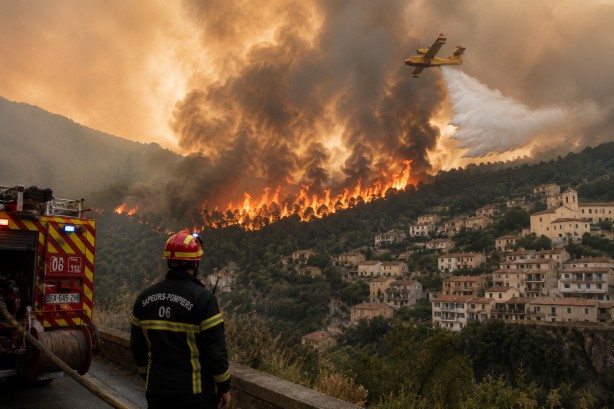
The relentless spread of wildfires across Europe has been wreaking havoc in countries such as Greece, France, Spain, and the United Kingdom, leading to widespread evacuations and highlighting the security risks associated with climate change. In Greece, authorities are contending with fierce fires on the island of Crete, while in England, certain regions have declared drought conditions as they endure extreme heat.
European leaders have expressed concerns that climate change is exacerbating the frequency and intensity of wildfires, posing significant threats to public safety, food supplies, and essential infrastructure. In response, the United Kingdom, France, and several other nations have committed to enhancing cooperation to improve wildfire prevention strategies, bolster emergency response efforts, and increase climate resilience.
The persistent heatwaves that Europe is experiencing have also been linked to thousands of heat-related fatalities this year, underscoring the severe consequences of extreme weather events. These alarming statistics emphasize the urgent need for more robust climate adaptation strategies across the continent.
As firefighting teams work tirelessly to manage the blazes, the situation highlights the interconnected nature of climate change impacts, from immediate dangers to long-term challenges. The importance of international collaboration in addressing these issues is increasingly apparent, as countries strive to mitigate the effects of escalating temperatures and unpredictable weather patterns.