
The Iran conflict has delivered the biggest geopolitical oil price shock in a generation, driving Brent crude more than 25% higher in a single week and creating energy market conditions that have no modern parallel outside the Covid-19 pandemic. The scope of the disruption — affecting oil production, LNG exports, tanker shipping, and Gulf storage simultaneously — has elevated this conflict from a regional military event to a global economic crisis.
Previous geopolitical oil shocks — from the first and second Gulf Wars to the Arab Spring — disrupted one element of the supply chain at a time. The Iran conflict has disrupted multiple elements simultaneously. The Strait of Hormuz is closed to normal commercial traffic. Gulf storage is filling at dangerous speed. Kuwait has cut production. Saudi Arabia and UAE face the same crisis within 20 days. Qatar’s LNG infrastructure is damaged. And the conflict shows no sign of imminent resolution.
The comparison with the 1973 Arab oil embargo — often cited as the paradigm case of a geopolitical oil shock — is instructive but imperfect. In 1973, the shock was deliberate and politically motivated; the disruption was a policy tool. The current crisis is different: it is a physical emergency driven by military conflict and the closure of a critical shipping route, with storage and infrastructure constraints that cannot be resolved simply by political will.
Qatar’s energy minister has provided the most alarming modern benchmark, warning that continued conflict could push oil to $150 a barrel as Gulf exporters halt production en masse. Even at current levels — above $91 — the economic consequences are significant. European gas prices are at three-year highs, bond markets are in turmoil, rate cut expectations have been abandoned, and stock markets have fallen sharply across every major region.
The generational significance of this shock lies not just in its immediate severity but in what it reveals about the global economy’s continued vulnerability to events in a region it has been trying to reduce its dependence on for decades. The Iran conflict has demonstrated, with brutal clarity, that the era of Gulf energy dependence has not ended — and that its costs, when the region erupts, remain as high as ever.
Iran War Delivers Biggest Geopolitical Oil Shock in a Generation
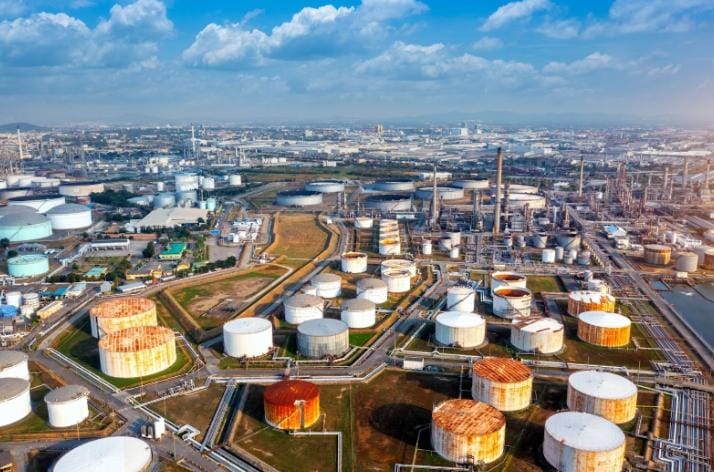
Picture Credit: www.freepik.com
7