
The Assembly of Experts, an 88-member body of senior clerics, is now faced with the most important decision in its history: selecting a successor to the late Supreme Leader. This process, which is usually hidden from public view, is now at the center of a global conversation about the future of the Islamic Republic following the joint US-Israeli airstrikes.
Despite the loss of their top leader, the Iranian military and security institutions have remained functional. This “business as usual” approach is a key part of the state’s strategy to maintain stability during this period of deep uncertainty. However, the underlying public disillusionment, recently highlighted by a high-profile broadcast blunder, remains a significant challenge for the regime.
The constitution provides for an interim leadership council to manage the state’s affairs while the Assembly of Experts deliberates. This council, featuring the president and judicial heads, is a temporary fix. The real power struggle is happening within the Assembly itself, where different factions—including the powerful IRGC—are jockeying for influence over the next leader.
Mojtaba Khamenei is often mentioned as a potential successor, but his candidacy is far from guaranteed. His rise to power would be a significant departure from the republic’s founding principles and could spark further dissent. The IRGC, which is expected to gain more political power in the aftermath of the leader’s death, will be a key factor in the final decision.
The world is also focused on the fate of Iran’s “nuclear fatwa.” The late leader’s religious opposition to nuclear weapons was a key part of his authority. In his absence, the IRGC may push for a change in policy, arguing that the recent airstrikes demonstrate the inadequacy of conventional deterrence and the need for a nuclear capability.
The Assembly’s Choice: Vetting the Next Supreme Leader
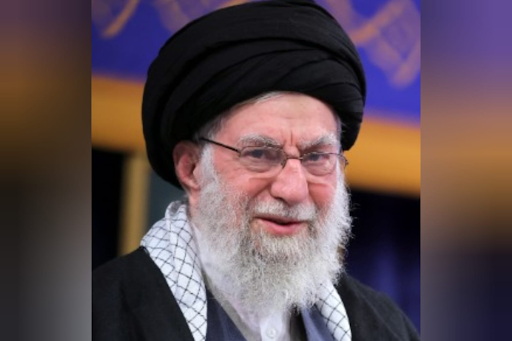
Photo by khamenei.ir, via wikimedia commons
10